About
A doctor teaching doctors.
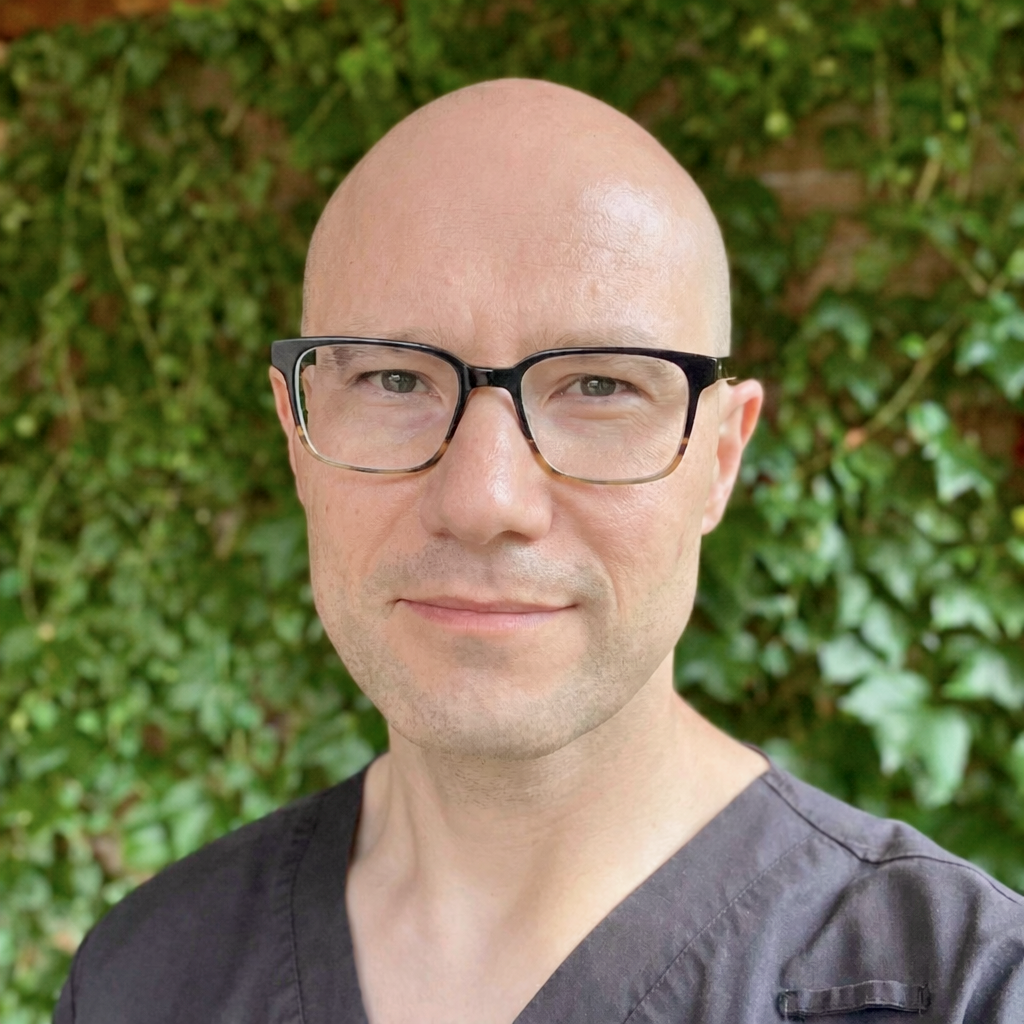
George
Medical Officer, Intensive Care
I am a medical officer working in intensive care in Australia, with over 20 years of experience across anaesthetics and intensive care. I have always been drawn to new technology and have watched multiple waves come through medicine: electronic medical records, smartphones, point-of-care ultrasound, telehealth. AI tools are the latest, and in my experience, among the most practically useful for everyday professional work.
Background
- MBBS
- BMedSci (Hons), Monash University
- MPH (Master of Public Health), Monash University
- Member, Australasian Institute of Digital Health (AIDH)
My training in epidemiology and public health shapes how I approach any new tool: what is the evidence, what are the risks, and how do we implement it safely in practice.
How this project started
My AI journey started in earnest when I needed help with my own CPD. Like most clinicians, I did not have a problem with learning. I had a problem with documentation. Turning real clinical experiences into structured portfolio entries felt like paperwork bolted onto work I was already doing.
I started experimenting with general-purpose AI tools. With the right prompts and the right guardrails, work that used to take an hour could be done in fifteen minutes, with better structure and more honest reflection than I would have produced on my own at the end of a long shift.
When I spoke to colleagues, most had not tried these tools for CPD. Those who had were not sure how to use them safely. There was no practical resource that spoke to doctors in their own language, addressed Australian CPD requirements specifically, and took governance seriously without being paralysed by it.
So I wrote one.
Current work
Alongside my clinical work in the ICU, I am developing practical resources for Australian clinicians who want to use AI tools for CPD. This includes:
- AI for CPD: A Practical Guide for Australian Medical Practitioners, covering step-by-step workflows, tested prompts, and governance guidance for nine CPD use cases
- This website, with free example prompts and guidance
- Ongoing work with AI-assisted clinical documentation, including experience with AI scribe technology in the ICU
My approach
I have always been an early adopter. I like finding new tools and working out how they fit into clinical practice. But enthusiasm does not mean hype. These tools have real limitations, and clinicians deserve honest guidance about what works, what does not, and where the risks are.
Think of this as a colleague showing you something useful in the tea room. Here is what I have been using, here is how it works, here is where you need to be careful.
AI is not a replacement for clinical expertise. It is a multiplier for the expertise you already have.
If you have questions or want to get in touch, you can reach me through the contact form.